BRICSonomics 2024 forum to be hosted in the Russian capital

Today 23 April, Moscow State Institute of International Relations (MGIMO) will host the BRICSonomics 2024 forum organised by the Makarenko Economic Club Oeconomicus.

Participants and guests of the event will consider the prospects and current problems of the BRICS member countries in the field of economics. The event is aimed at increasing the interest of future international experts in the activities of the association and researching aspects of its development.

The event will feature debates on “Introduction of the BRICS Single Currency” and “Economic Feasibility of BRICS Expansion”, as well as an investment game “Attracting Investments to the BRICS Countries”.

It can be attended by schoolchildren, students, undergraduates, graduate students, postgraduates and young professionals from Russia and other BRICS countries.

Source: TV BRICS

Africa hopes for a thriving future through science and innovation

The United Nations Economic Commission for Africa (ECA) in cooperation with the Commission of the African Union and additional partners, arranged the two-day meeting as a prelude to the African Regional Meeting on Sustainable Development. With a focus on ending poverty in Africa, the subject emphasised the role of STI in accomplishing the objectives of the 2063 Agenda and the 2030 Agenda for Sustainable Development.


The conversation focused on how STI may revolutionise African business, agriculture, and attempts to combat poverty. Belete Molla, Ethiopia’s Minister of Technology and Innovation, emphasised that fostering innovation in vital industries like renewable energy, health, and agriculture is a means to boost employment, enhance quality of life, and lessen poverty.


Molla underlined that when it comes to helping other African countries strengthen their agricultural and food security, Ethiopia is setting the standard. Enhancing access to technology, crops, and fertilisers for farmers is one of the initiatives. Another is a roadmap for changing the nation’s food chain.


In order to advance peace and sustainable development, Lidia Arthur Brito, UNESCO Assistant Director General for Natural Sciences, underlined the need for worldwide scientific cooperation. She emphasised the possibility of enabling youth to become not only the engine of the economy but also creative problem solvers for the environment. However, Brito noted that because many African technology institutes depend on outside financing, achieving stability of finances is a difficulty.


Africa’s future can be shaped by the Sixth African Forum on Science, Technology, and Innovation. African nations may construct a future that is more rich, just, and sustainable by utilising the potential presented by STIs and encouraging collaboration.

Source: TV BRICS


BRICS leaders congratulate Vladimir Putin on his re-election as president of Russian Federation

Presidential elections in Russia were held from 15 to 17 March. The turnout across the country was 77,44 per cent. Vladimir Putin, according to official data, received 87,28 per cent of the votes.

Iranian President Ebrahim Raisi was one of the first to recognise the success of the Russian politician. In his message, he congratulated him on his convincing victory in the elections and expressed satisfaction with the trend in the development of relations between the two countries.

Chinese President Xi Jinping sent Vladimir Putin a congratulatory telegram. “Your re-election fully shows that you are supported by the Russian people,” it stated.

South African President Cyril Ramaphosa also expressed his best wishes to the Russian leader on his re-election. He recalled South Africa’s commitment to co-operation with Russia in multilateral platforms, including the UN, G20, BRICS and others.

Indian Prime Minister Narendra Modi conveyed “warm congratulations to Vladimir Putin on his re-election as President of Russia”. He said he looked forward to working together to further strengthen the strategic partnership between the two countries.

Brazilian leader Luiz Inacio Lula da Silva sent a letter to Vladimir Putin congratulating him on his victory in this year’s presidential election.

Saudi Arabia’s King Salman bin Abdulaziz Al Saud and Crown Prince Mohammed bin Salman Al Saud also congratulated the president-elect and expressed “best wishes for success, prosperity, further progress.” Later, Vladimir Putin had a telephone conversation with Mohammed bin Salman Al Saud. The parties reaffirmed their readiness to further actively develop ties between the states and mutually beneficial cooperation.

Abdel Fattah al-Sisi, President of Egypt, praised the historical ties between his country and Russia. President of the United Arab Emirates Mohamed bin Zayed Al Nahyan wished the Russian President further success at the highest state post. The Emirati leader thanked his colleague for the attention paid to strengthening relations between the countries.

Also, the heads of Venezuela, Nicaragua, Myanmar, Vietnam, Algeria, Mali and other countries sent congratulations to Vladimir Putin.


Source: TV BRICS


Chairman of Eurasian Economic Commission and President of Russia agree to explore the possibilities of joint BRICS and EAEU projects

Russian President Vladimir Putin asked the Chairman of the Board of the Eurasian Economic Commission (EEC) Bakytzhan Sagintaev to work out the possibilities of cooperation between the EAEU countries and the BRICS member states.


Russian President said:

“Russia is chairing the BRICS this year. Our other countries are not members of this association, but the opportunities there are great, I mean also the plans of our Chinese friends, One Belt, One Road. BRICS leaders will come to Kazan, and I have a big request to you to see and work with Russian colleagues on how we could include the economies of other countries of our association in joint work with the BRICS countries”


Vladimir Putin pointed out that one of the promising areas of joint work of the associations could be the creation of a system of settlements in national currencies. In addition, the Russian leader recalled the creation of the BRICS Bank, whose functionality could also be expanded.


The President added.

“It would be great if we offered our colleagues some things on behalf of Russia, but taking into account the interests of the member countries of our organisation. Because any steps in these areas, of course, we seek to coordinate with all members of the Eurasian Economic Community and, accordingly, of course, with your position, with the position of the Commission, we could prepare joint proposals”


Source: Kremlin & TV BRICS


South Africa and Ghana discuss trade relations at joint business forum

President Cyril Ramaphosa of South Africa recalled the strong economic ties between the two countries during the 2nd session of the South African-Ghana Bi-National Commission as reported by Pretoria News.

South Africa According to him is the largest importer of Ghana’s products in Africa and third compared to all other countries in the world.

“South Africa and Ghana have untapped economic potential and much more needs to be done, both with regards to growth of total trade and the diversification of products to high-value manufactured exports” He welcomed delegates from the second side led by Ghana’s President Nana Akufo-Addo.

South African delegates representing over 150 companies and their Ghanaian counterparts from 78 companies in discussion groups agreed that the inability of African businessmen to trade directly and cost-effectively using national currencies needs to be addressed.

Source: Pretoria News & TV BRICS

UNDP launches risk insurance and financing mechanism in Ethiopia

The United Nations Development Programme (UNDP) has launched the Insurance and Risk Financing Facility (IRFF) in Ethiopia. This is reported by ENA. IRFF will help the African nation build the capacity of businesses, communities and individual entrepreneurs through accessible, affordable and innovative insurance products.

UNDP Ethiopia Resident Representative, Samuel Doe said the launch of an insurance and risk financing programme in the country is necessary for the development of the economy. He added that Ethiopia is vulnerable to various natural and man-made hazards.

The publication said the insurance and risk financing programme will also be useful to the National Bank of Ethiopia in setting up a dedicated insurance supervisory body that will act as an independent regulator.

source: ENA & TV BRICS

Large-scale program to provide food to poor implemented by Brazil

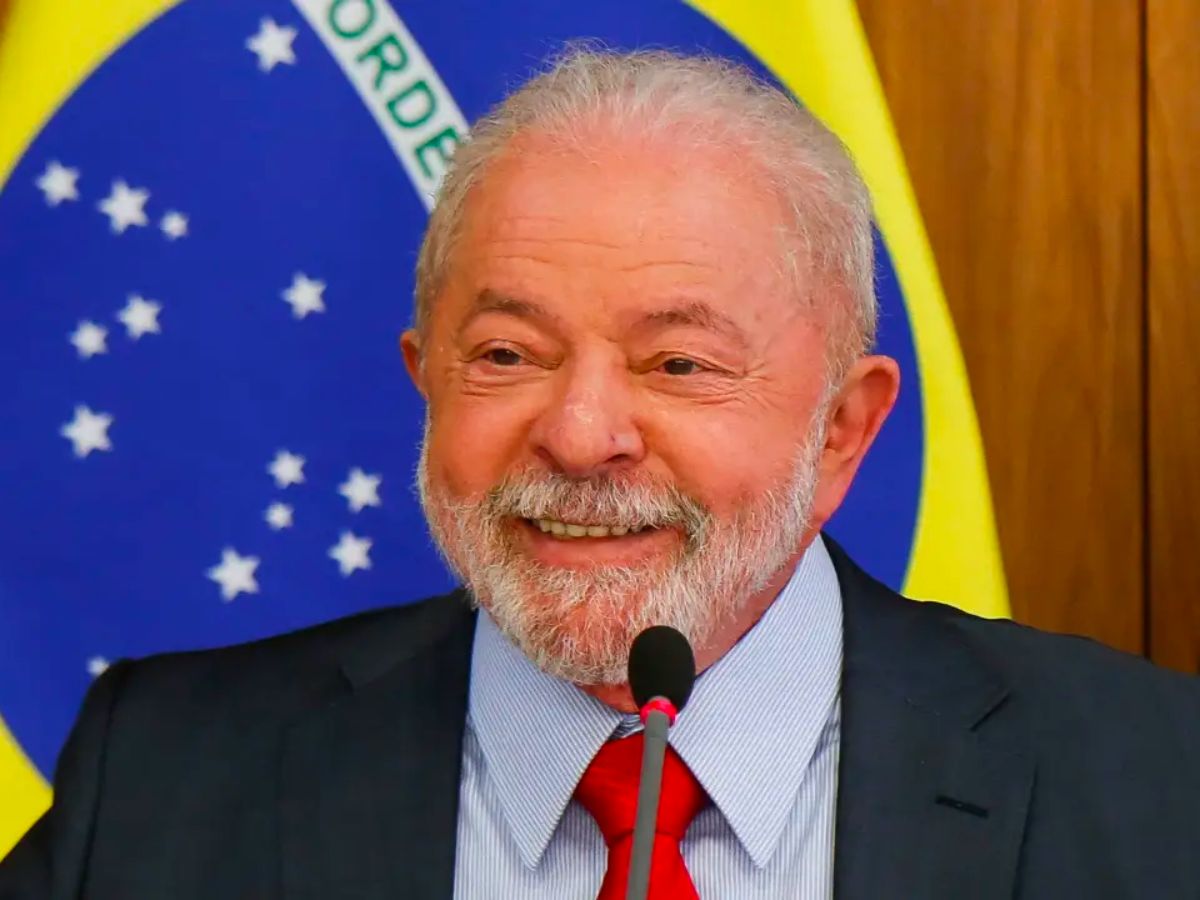
Luiz Inacio Lula da Silva(Brazilian President) ordered to change the composition of the basic food basket and to implement the “Solidarity Kitchen” programme, which will provide free meals to people living on the streets and in difficult situations. The relevant decrees were signed at a plenary meeting of the National Council for Food and Nutritional Security (Consea).

“We must realise that the problem is not a lack of food, but a lack of resources that allow people to have access to it,” Lula da Silva said.

The president said that fighting hunger is a priority for the country’s leadership. According to the government, the new composition of the basic food basket is in line with the recommendations and principles of the Ministry of Health’s guidelines. It now includes more natural and minimally heat-treated foods.

The Solidarity Kitchen programme is coordinated by Brazil’s Ministry of Social Development and Fight Against Hunger (MDS) and has been in operation since July 2023. The office has already mapped 2,770 kitchens across the country, which work through collaboration between different entities related to family farming, food procurement and others.

source: Toda Palavra & TV BRICS

Infrastructure projects in Iran: Approximately US$6 billion to be allocated

Starting March 20, about US$6 billion will be allocated for construction and infrastructure projects, the head of Iran’s Planning and Budget Organisation (PBO) Davoud Manzour said. The government has managed to fulfil almost all the targets set in the current year’s national budget bill.

In late December 2023, the Iranian parliament approved the general provisions of the national budget bill for the next 1403 Iranian calendar year. The proposed budget is about US$1,2 trillion, which is 18 per cent higher than the current year’s budget.

Oil sales are projected and sales are estimated at 1.35 million barrels per day at an average price of US$70. Like the current year’s budget, the proposed budget for next year requires the government to pay 40 per cent of oil, gas and gas condensate revenues to the National Development Fund (NDF).

The figures presented in next year’s budget bill indicate that the government is taking major steps to distance the economy from oil, as most of the revenue will come from other sources.

source: Tehran Times & TV BRICS

Countries are clamoring to join BRICS group, South Africa says, as Russia takes up leadership

Nearly three dozen countries are seeking entry into the China and Russia-backed BRICS economic group, member state South Africa said Wednesday, weeks after the body expanded its membership for the first time in more than a decade.

Thirty-four countries have submitted an expression of interest in joining the bloc of major emerging economies, South African Foreign Minister Naledi Pandor told reporters, without naming the nations.

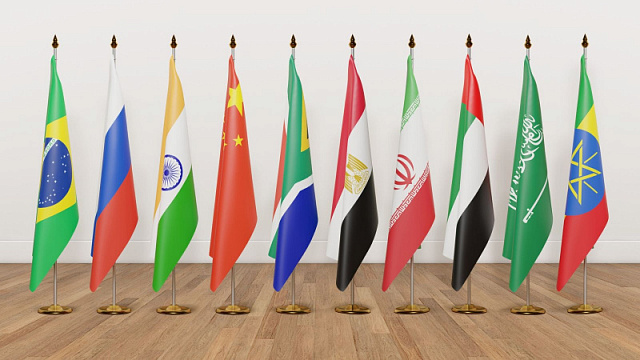
Russia was accepting those applications after assuming rotating chairmanship of the group this year – and will be the first member to oversee the body since it significantly expanded its global footprint at the start of the year, when Iran, Saudi Arabia, the United Arab Emirates (UAE), Ethiopia, and Egypt formally joined.

The growing membership is widely viewed as a win for China and Russia, which have sought to reshape an international system they see as unfairly dominated by the United States amid growing frictions with Washington and the West.

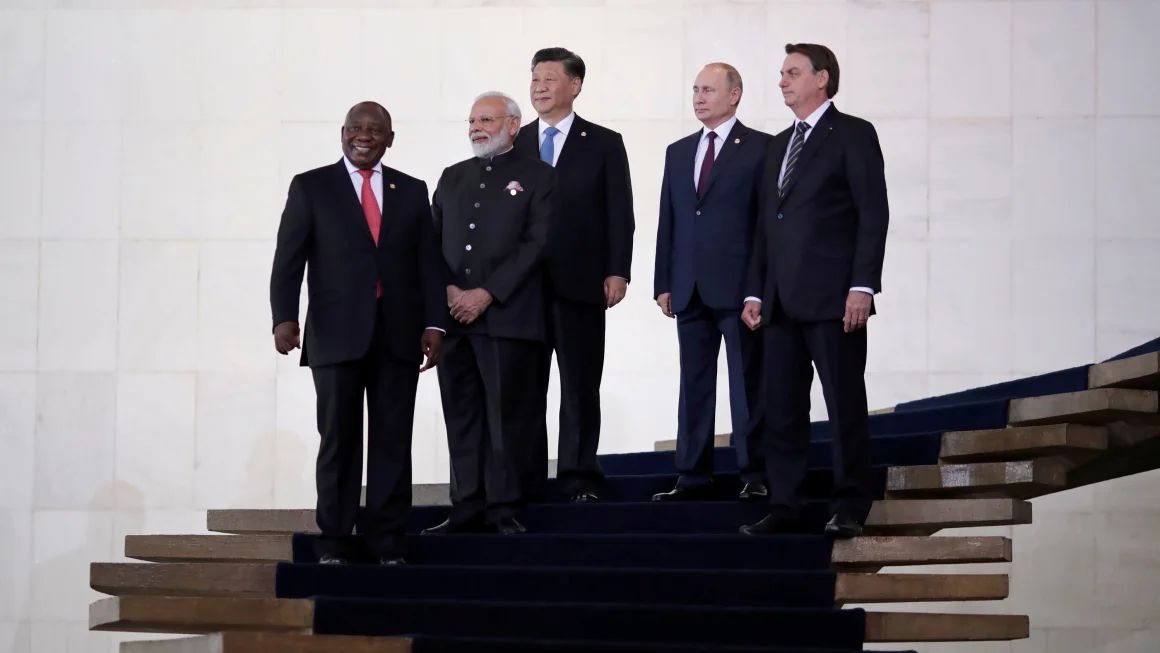
BRICS, which since 2011 had been made up of Brazil, Russia, India, China and South Africa, roughly positions itself as the Global South’s answer to the Group of Seven (G7) major developed economies.

China has been a key driver of its expansion as leader Xi Jinping pushes an alternative world order, forging closer partnerships with key global players from Russia to the Middle East and strengthening international bodies where Beijing holds sway.

The expansion and continued interest from dozens more countries are also a boon for Russia, which has been shunned economically and diplomatically by the West following its invasion of Ukraine.

Moscow’s position as chair will be a key opportunity for Russian President Vladimir Putin to push back against that isolation and portray himself as a key player on a broad diplomatic stage, as world leaders typically travel to the host nation for an annual summit.

Last year, all member state leaders besides Putin gathered in person in Johannesburg. The Russian president, who has an International Criminal Court warrant out for his arrest linked to alleged war crimes in Ukraine, participated virtually.

This year’s event is expected to take place in October in the southwestern Russian city of Kazan.

Earlier this year, Putin encouraged representatives “of all countries interested in cooperating with our organization” to take part in events and said Russia looked forward to “working productively with all countries in the BRICS orbit,” according to state-run news agency Tass.

The group took shape as a summit-level gathering between Brazil, Russia, India and China in 2009 and expanded to include South Africa two years later.

Six new BRICS countries were invited during the 2023 summit last August. Among those invited only Argentina declined to join, following the election of a new far-right administration.

The expansion adds the muscle of major oil-producing Gulf economies to the body and comes as both Russia and China have bolstered their relationships with sanctions-hit Iran. Last year, Beijing played a part brokering the restoration of ties between longtime rivals Saudi Arabia and Iran.

The new cohort of countries join as BRICS pushes toward more diplomatic and financial coordination, including reform of the United Nations Security Council and a move away from a US dollar-dominated trade system.

Finance ministers were working to develop the use of local currencies for payments between member states and international payment platforms to “redress what we regard as a rather unfair and costly payment system,” South Africa’s Pandor said Wednesday.