A long-term vision for BRICS youth has the potential to become the cornerstone of fostering a successful and sustainable and long-term people-to-people diplomacy. More so as diplomacy in the 21st century has seen the growing prominence of non-state actors in international affairs. States are no longer the sole actors in international cooperation and development. The participation of non-state actors such as the private sector, civil society, and other societal sectors in global affairs, while important, has been met with both. Non-state actors have been instrumental in the improvement of global economic activity and cultural exchange by promoting more people-driven transnational linkages. Consequently, these activities, on the other hand, are difficult to govern and sometimes only serve the interests of individuals or small groups rather than the societies in which they operate. Within BRICS, there has been an increasing recognition that people-to-people ties are critical to the bloc’s long-term health and destiny. The importance of people-to-people exchanges in advancing development and strengthening mutual understanding, friendship, and collaboration among BRICS peoples is highlighted in Point 60 of the Xiamen Declaration, which was adopted after the 2017 BRICS Summit. There is an urgent need to encourage not only greater cultural understanding, but also grassroots cross-regional cooperation among BRICS citizens. Due to the Eurocentric paradigm through which the BRICS nations have been analyzed in the field of international relations, Brazil, Russia, India, China, and South Africa each face specific stigmas and biases in the international community. It is against this backdrop that SABYA supports the establishment of platforms and institutions that seek to build the capacity of youth on BRICS affairs.
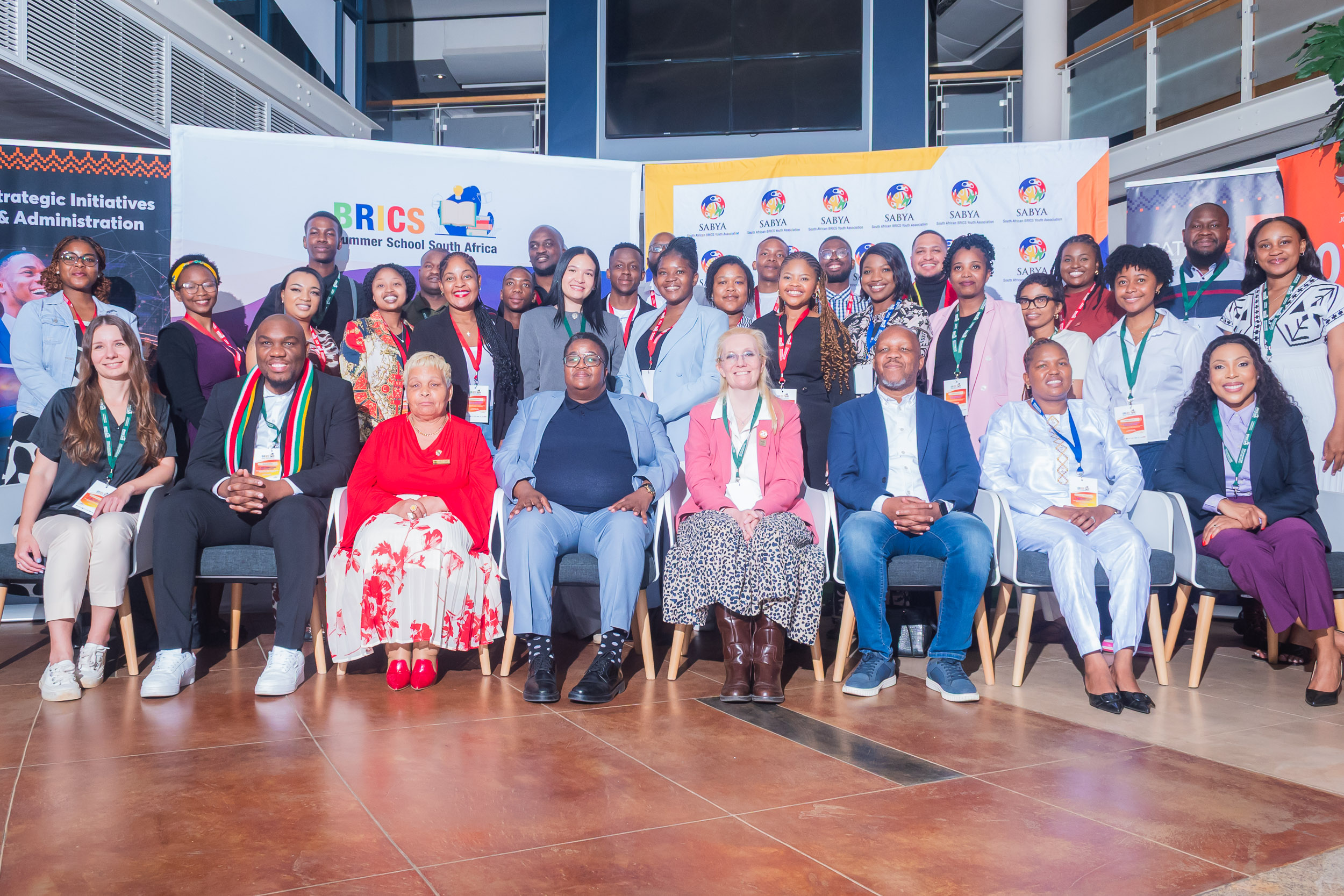
The Summer School will bring together 300 young leaders from BRICS and the Global South countries to conduct a series of workshops and lectures that will focus on economic, political, cultural and development in BRICS. Participants can expect to leave the programme with more insight and knowledge of the formation and history of BRICS, geo-politics, economics and the fundamental of various cultures represented in all BRICS+ nations.